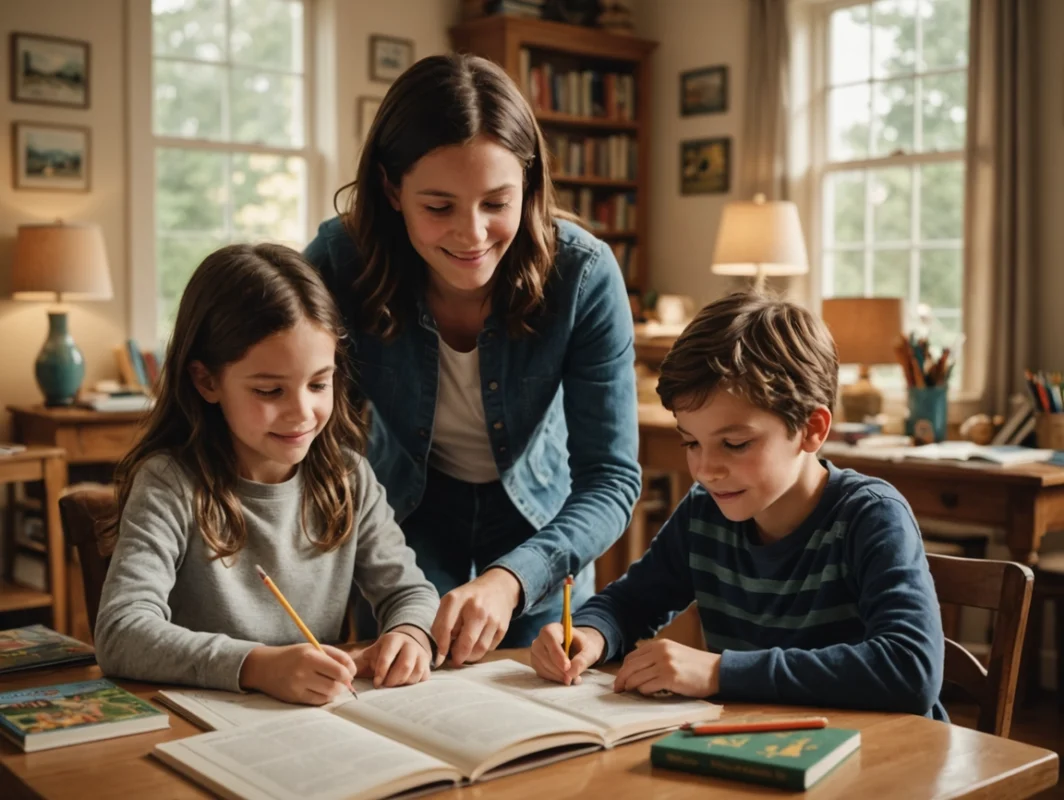
Starting homeschooling can feel overwhelming, especially if you’re new to the idea. Many parents wonder if they’re qualified, how to choose the right curriculum, and whether they’re doing enough. The truth is, homeschooling for beginners doesn’t have to be complicated.
Understand Your State’s Homeschool Laws
Before you begin homeschooling, it’s important to understand your state’s homeschool laws. Each state has different requirements for registration, record keeping, and required subjects. Taking time to review these guidelines helps you start confidently and stay compliant.
Choose a Homeschool Curriculum That Fits Your Family
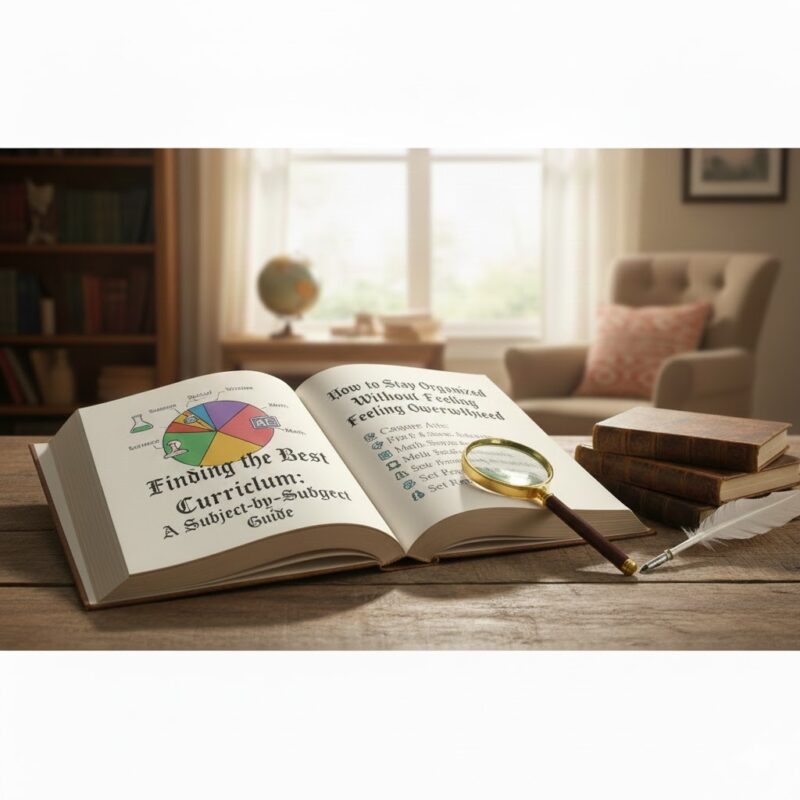
There is no single “best homeschool curriculum.” The right choice depends on your child’s learning style, your teaching approach, and your family’s schedule. Many families start with a structured curriculum and adjust as they gain confidence.
Remember, curriculum can be changed if it’s not working. Flexibility is one of the greatest benefits of homeschooling.
Create a Learning Environment at Home
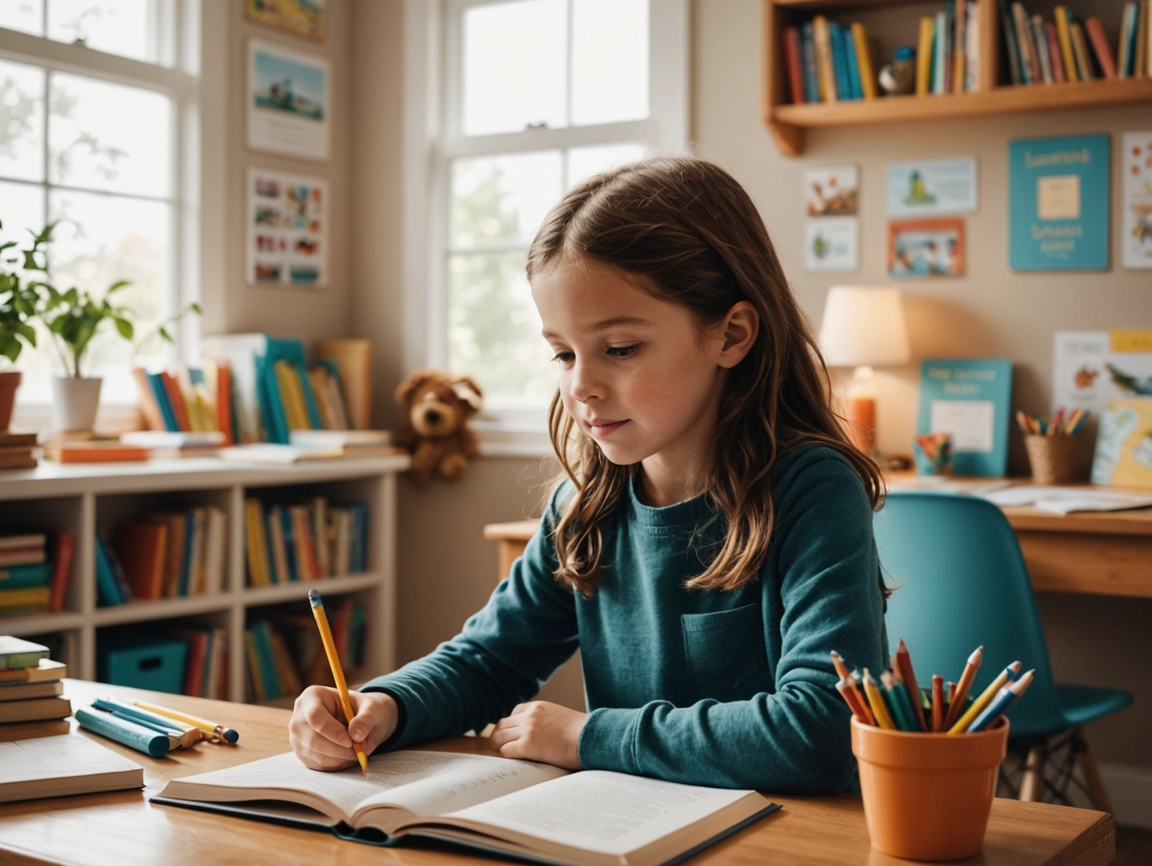
You don’t need a dedicated classroom to homeschool successfully. A quiet space, basic supplies, and access to quality homeschool resources are often enough. Learning can happen at the kitchen table, on the couch, or even outdoors.
Set Realistic Expectations
Homeschooling does not need to mirror a traditional school day. Short, focused lessons are often more effective than long hours of instruction. Progress looks different for every child, and that’s completely normal.
You Don’t Have to Do It Alone
Many new homeschool parents worry they’ll have to figure everything out on their own. In reality, there are supportive homeschool communities, co-ops, and trusted online resources available to help.
Homeschooling is a journey that grows with your family. With the right preparation, reliable homeschool resources, and a willingness to learn along the way, you can create an educational experience that supports your child’s success and confidence.